Drug Testing for Employees: Purpose, Types, and Legal Requirements
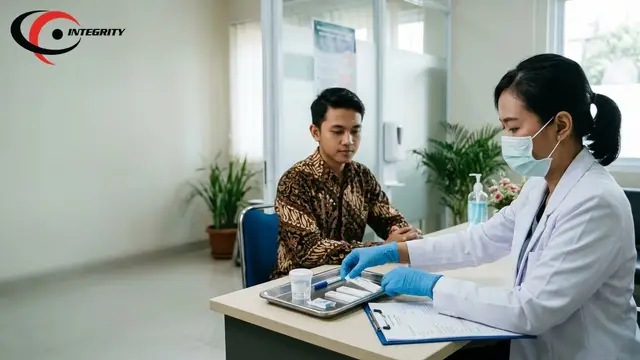
A pre-employment drug test is a screening procedure used to determine whether a job applicant or employee has used illicit substances. This test is commonly included as part of the medical examination during recruitment, although it may also be conducted during employment.
Urine testing is the most commonly used drug screening method in Indonesia. Other testing methods involve collecting blood, hair, saliva, or sweat samples. Read on to learn more about workplace drug testing.
What Is a Pre-Employment Drug Test?
A drug test is a medical screening procedure designed to detect the presence of drugs or their metabolites in the body. In the workplace, drug testing is commonly required as part of the recruitment process or implemented within a company’s occupational health and safety program.
Drug test results indicate the presence of substances or their metabolites in a collected sample, but they do not necessarily establish whether an individual is impaired or under the influence of drugs at the time of testing. Therefore, an initial positive result should be evaluated through confirmatory testing and a review of the individual’s medication history.
In Indonesia, the document issued following drug testing is commonly referred to as a Surat Keterangan Bebas Narkoba (SKBN), or Drug-Free Certificate. At clinics operated by the National Narcotics Agency (Badan Narkotika Nasional, or BNN), the document is officially known as a Surat Keterangan Hasil Pemeriksaan Narkoba (SKHPN), or Drug Examination Results Certificate. This certificate indicates whether there is evidence suggesting drug use based on a physical examination and urine testing.
Objectives of Workplace Drug Testing
The primary objectives of workplace drug testing are to maintain a safe working environment and prevent drug abuse within the organization.
More specifically, workplace drug testing serves several important purposes:
- Enhancing workplace safety. Drug testing helps mitigate safety risks, particularly in roles involving vehicles, heavy machinery, or responsibilities that directly affect the safety of others.
- Assessing fitness for work. Pre-employment screening helps determine whether prospective employees are medically fit and suitable for the requirements of their intended positions.
- Supporting regulatory compliance and prevention efforts. Employers in Indonesia are required to take proactive measures to prevent and address drug abuse and illicit drug trafficking in the workplace.
- Discouraging drug use. Workplace drug testing programs may serve as a deterrent, encouraging employees to reconsider using illicit substances. However, the effectiveness of these programs may vary across organizations.
Beyond these objectives, implementing a workplace drug testing program can also provide several benefits of employee drug testing for companies, including improved workplace safety, reduced operational risks, and stronger workforce management practices.
Common Types of Workplace Drug Tests
Workplace drug tests are categorized based on the type of biological sample collected, as each testing method has a different detection window. The detection periods discussed below are general estimates based on international sources. Actual detection windows may vary depending on the substance involved, frequency of use, and the testing method’s detection thresholds.
Urine Drug Testing
Urine testing is the most commonly used method for pre-employment and random workplace drug screening. Companies typically prefer this method because sample collection is relatively straightforward, testing costs are affordable, and it can detect drug use within the preceding several days.
Saliva Drug Testing
Saliva testing provides a relatively non-invasive sample collection procedure and can detect recent substance use. However, its detection window is generally shorter than that of urine testing, making it more suitable for identifying recent drug exposure.
Hair Drug Testing
Hair testing can identify a history of substance use over an extended period. However, this method is generally more expensive and cannot determine whether an individual is currently under the influence of drugs at the time of testing.
Blood Drug Testing
Blood testing is typically conducted by healthcare professionals for medical evaluations or specific investigations. This method involves a more invasive sample collection procedure and generally has a shorter detection window compared to other drug testing methods.
Companies should carefully consider the purpose of drug testing, the occupational risks associated with specific job roles, and the applicable legal and ethical requirements in Indonesia when selecting the most appropriate testing method.
When Do Companies Conduct Drug Testing?
Companies may conduct drug testing at different stages of employment, depending on their operational needs, workplace safety requirements, and internal policies. The following are some of the most common situations in which companies conduct workplace drug testing:
1. Pre-employment drug Test
Employers typically conduct pre-employment drug testing after extending a conditional job offer and before the candidate starts work. They generally require candidates to obtain a negative test result as a condition of employment and should clearly communicate this requirement in recruitment documents.
Drug testing helps employers assess whether candidates meet the safety and conduct standards of their intended roles.
To minimize legal and reputational risks, employers should document the screening process, follow recognized testing procedures, and clearly explain how they will handle the results. Companies can also combine drug testing with a pre-employment medical check-up to gain a more comprehensive understanding of each candidate’s fitness for the role
2. Random, post-accident and reasonable suspicion testing
Beyond hiring, employers may use several testing triggers. Random testing applies to employees selected without prior warning, often in safety-sensitive roles. Post-accident testing follows a workplace incident, helping establish whether impairment contributed to it. Reasonable suspicion testing is used when observable behavior gives the employer a documented, objective basis for concern.
Each trigger should be defined in the company’s written policy, applied consistently and limited to legitimate workplace purposes. Random selection should follow a neutral method so that no employee or group is singled out without justification.
3. Return-to-duty and follow-up testing
Employees who have had a substance-related violation, or who are returning after treatment, may be subject to return-to-duty and follow-up testing. In general, these tests are scheduled as part of a recovery plan and are intended to verify ongoing abstinence and support the employee’s return to safe work.
The conditions, duration and consequences of follow-up testing should be set out in advance and linked to the rehabilitation approach described later in this article, rather than used solely as a punitive measure.
Legal Considerations for Pre-Employment Drug Testing
Before implementing pre-employment drug testing, companies must consider Indonesia’s labor laws, personal data protection regulations, and occupational health and safety (OHS) requirements.
Employers should consult legal professionals, establish clear written policies, and ensure testing procedures are relevant to job-related risks and consistently applied to all candidates.
1. Consent, privacy, and non-discrimination
Employers should clearly explain the purpose, procedures, and use of drug test results before obtaining candidates’ consent. Testing must be job-relevant, non-discriminatory, and limited to necessary information, with access restricted to authorized personnel.
2. Confidentiality of drug test results
Drug test results contain sensitive personal information and must be handled securely. Companies should implement appropriate data protection measures, restrict access, and establish retention periods in compliance with applicable regulations.
3. Impact on productivity and costs
Workplace drug abuse can contribute to absenteeism, reduced productivity, accidents, equipment damage, and increased healthcare and recruitment costs.
To mitigate these risks, companies may implement pre-employment drug testing as part of a broader workplace safety policy. However, its effectiveness depends on organizational needs, consistent implementation, and employee support.
Combine Drug Testing with Employee Background Checks
Integrity Indonesia provides pre employment background check services, including drug testing and other health-related screenings. An effective screening process begins with a risk assessment to identify safety-sensitive positions and determine appropriate screening requirements.
As a PBSA-accredited company, Integrity Indonesia follows standards that require candidates’ consent before verification begins. Supporting a transparent and responsible pre-employment screening process. This approach helps employers make more informed and reliable hiring decisions.