
10 Risks of Not Conducting Employee Background Checks
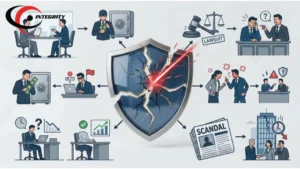
Hiring employees without conducting proper background checks can expose companies to candidates with inaccurate resumes, undisclosed criminal records, or concerning financial histories. These risks can affect employee performance, workplace safety, financial stability, and the company’s reputation.
Understanding the potential consequences of skipping a pre employment background check can help organizations make more informed hiring decisions and protect their businesses from avoidable risks.
1. Hiring Employees Who Lack the Required Qualifications
Resumes and job applications do not always accurately reflect a candidate’s qualifications or employment history. Without proper verification, HR teams may unknowingly hire candidates who do not meet the qualifications required for a particular position. Background checks help employers confirm employment history, educational credentials, and other relevant information before making hiring decisions.
2. Increased Risk of Fraud and Misuse of Sensitive Data
Employees who have access to sensitive company information, such as financial records, inventory data, and customer information, may potentially misuse their authority for personal gain. Such incidents can result in financial losses, data breaches, and operational disruptions.
According to the Association of Certified Fraud Examiners (ACFE) 2026 Report to the Nations, anti-fraud professionals estimate that organizations lose approximately 5% of their annual revenue to occupational fraud.
Conducting a pre employment background check is one way to address potential risks during recruitment. By verifying candidates’ employment histories, professional references, and other job-related information, employers can identify discrepancies before extending an offer. However, background screening should be supported by appropriate internal controls and data security measures.
3. Threats to the Safety of Employees, Business Partners, and Customers
Employers have a responsibility to maintain a safe working environment for employees, business partners, and customers. Workplace violence, harassment, and other forms of misconduct can have serious physical, emotional, and operational consequences.
A study attributed to a human resources association reported that 36% of organizations had experienced workplace violence incidents. Such findings highlight the importance of workplace safety measures and proactive risk management.
Depending on the position and applicable regulations, criminal record checks, pre-employment medical examinations, and drug testing may form part of an organization’s screening process. These measures should be proportionate to job requirements and conducted in accordance with relevant laws.
4. Damage to Company Reputation
Employees represent a company when interacting with customers, business partners, and other stakeholders. Misconduct, fraud, or other serious incidents involving employees can negatively affect public trust and damage an organization’s reputation.
For positions involving financial responsibilities, confidential information, or direct interactions with customers, understanding a candidate’s relevant background can be particularly important.
Conducting background checks before hiring helps companies identify potential concerns and make more informed decisions, reducing the likelihood of avoidable reputational risks.
5. Financial Losses Beyond Occupational Fraud
Beyond fraud, certain financial concerns may also present risks to organizations, particularly when employees are responsible for managing financial transactions, company assets, or other sensitive resources.
For some positions, employers may consider reviewing relevant credit information as part of their risk assessment. This may include identifying significant outstanding debts, repayment defaults, or other financial issues where such checks are legally permitted and genuinely relevant to the role.
However, financial background checks should only be conducted with an appropriate legal basis, the necessary candidate consent, and safeguards to protect personal information. Financial difficulties alone should not be treated as evidence of dishonesty or misconduct.
6. Wasted Recruitment, Salary, and Training Costs
Hiring the wrong candidate can be expensive. Beyond salary expenses, companies may incur additional costs related to onboarding, training, reduced productivity, and recruiting a replacement.
Research attributed to Topgrading suggests that the total cost of a bad hire can range from 5 to 27 times an employee’s actual salary, depending on the circumstances and methodology used.
A pre employment background check can help employers verify relevant qualifications and work experience before hiring. Although background screening cannot guarantee employee performance, it can reduce uncertainty and support more informed recruitment decisions.
7. Negative Impact on Team Morale and Workplace Culture
Employees who consistently demonstrate unprofessional behavior or fail to meet workplace expectations can affect the morale and performance of their colleagues.
When inappropriate behavior goes unaddressed, employees may lose confidence in management and internal processes. Over time, this can affect collaboration, trust, and overall workplace culture.
Professional reference checks and employment history verification can provide additional information about a candidate’s previous responsibilities and work-related conduct. These insights can help HR teams assess candidates more thoroughly alongside interviews and other recruitment assessments.
8. Higher Employee Turnover
Hiring candidates whose qualifications, expectations, or professional backgrounds do not align with the requirements of a position may contribute to higher employee turnover.
Repeated recruitment and replacement processes consume valuable time and resources, particularly for roles that require specialized skills or extensive training.
Employment verification and professional reference checks can help HR teams better understand a candidate’s career history, previous responsibilities, and reasons for changing jobs. This information may provide useful context when evaluating whether a candidate is suitable for a particular position.
However, frequent job changes or employment gaps should not automatically be considered negative indicators. Each candidate’s circumstances should be assessed fairly.
9. Reduced Team Productivity
Hiring employees who lack the necessary skills or qualifications may place additional pressure on other team members.
Managers may need to provide closer supervision, while colleagues may have to spend additional time correcting mistakes or assisting with tasks. These situations can slow down workflows and affect overall team productivity.
By verifying educational qualifications, employment history, and other relevant credentials, employers can better understand whether candidates meet the requirements of the position.
Background checks complement interviews, skills assessments, and other recruitment methods to support better hiring decisions.
10. Risk of Hiring Candidates With Previous Misconduct
Without appropriate background screening, employers may unknowingly hire individuals who have previously been involved in serious workplace misconduct, fraud, or abuse of authority.
Depending on the nature of the position, certain types of past misconduct may be relevant to assessing potential risks. This is particularly important for positions involving financial transactions, confidential information, or responsibilities that require a high level of trust.
Employment history verification, professional reference checks, and legally permitted criminal record checks can help employers identify relevant information before making hiring decisions.
Any findings should be evaluated fairly, taking into account their relevance to the position, the circumstances involved, and applicable employment and privacy regulations.
Why Is a Pre Employment Background Check Important?
A pre employment background check plays an important role in helping companies make informed hiring decisions and reduce the risk of hiring unsuitable candidates.
Depending on the requirements of the position, background screening may include identity verification, educational background checks, employment history verification, professional reference checks, and criminal record screening.
Rather than relying solely on information provided in resumes or interviews, employers can use verified information to develop a more complete understanding of a candidate’s background.
A structured screening process also helps HR teams maintain consistency, transparency, and accountability throughout recruitment.
Why Does Employee Fraud Often Go Unreported?
Employee fraud does not always become publicly known. Some organizations may choose to handle incidents internally to protect their reputation, maintain confidentiality, or avoid lengthy legal proceedings.
Although internal investigations may be appropriate in certain circumstances, inadequate documentation or follow-up can leave organizations vulnerable to similar incidents in the future.
Businesses should establish clear procedures for reporting misconduct, conducting investigations, and documenting findings while respecting applicable legal requirements and data privacy obligations.
These measures, combined with appropriate recruitment screening and internal controls, can help strengthen organizational risk management.
What Does an Employee Background Check Include?
The scope of an employee background check depends on the position, industry requirements, and applicable regulations. Common screening activities include the following.
1. Identity and Education Verification
Identity verification helps confirm that candidates are who they claim to be, while education verification checks the accuracy of academic qualifications, degrees, and educational institutions listed in their applications.
For positions requiring specific academic credentials or professional expertise, employers may verify educational information directly with the relevant institutions.
This process helps identify inaccurate or misrepresented qualifications before hiring decisions are finalized.
2. Employment History and Criminal Record Checks
Employment history verification helps confirm a candidate’s previous employers, job titles, employment dates, and other relevant professional information.
Professional reference checks can provide additional insights into a candidate’s past responsibilities, workplace conduct, and performance.
For positions requiring a higher level of trust, criminal record checks may also be considered where permitted by law. Employers should assess the relevance, nature, and timing of any findings rather than making decisions solely on the existence of a criminal record.
3. Pre-Employment Medical Examinations When Required
Pre-employment medical examinations may be appropriate for certain positions, particularly those involving physically demanding tasks, occupational hazards, or specific workplace safety requirements.
Medical screening should be relevant to the job, proportionate to legitimate occupational needs, and conducted in accordance with applicable employment, health, and data protection regulations.
Employers must also respect candidate privacy and obtain the appropriate consent where required.
The Best Employee Background Check Company in Indonesia
Mitigating recruitment risks through pre-employment screening enables companies to gain a more comprehensive understanding of candidates’ backgrounds before making hiring decisions. By conducting identity verification, medical screening, education verification, employment history checks, and criminal record checks, organizations can reduce the risk of bad hires, fraud, and potential security issues.
However, the screening process must also respect candidates’ privacy and rights. Obtaining written consent from candidates (consent letter) and ensuring responsible handling of personal data are essential to maintaining a transparent verification process that complies with applicable regulations.
To support these efforts, Integrity Indonesia provides professional pre employment background check services, backed by over 20 years of industry experience and accreditation from the Professional Background Screening Association (PBSA).
Beyond Indonesia, Integrity has also established a presence across Asia and Europe, including Malaysia, Thailand, and Switzerland. With the support of local experts, Integrity helps organizations conduct thorough and reliable candidate background checks.