HR background check: a guide for job seekers and recruitment teams

HR Background Check is the process of examining or verifying a prospective employee’s background, conducted by the Human Resources Department (HRD) before an individual is hired by a company.
The primary purpose of an HR background check is to ensure that the information provided by candidates in their CVs, interviews, and application documents is accurate and to identify potential risks during the recruitment process. This article explores the additional objectives of background checks, the aspects assessed, and the reasons companies need to conduct them.
What is a Background Check?
A background check is the process of verifying the information listed in a candidate’s Curriculum Vitae (CV) and supporting documents submitted during the recruitment process. It is typically conducted by companies before making a final hiring decision. This process may include various aspects, such as:
- Legitimacy of identity documents
- Educational background
- Employment history
- Professional references
- Criminal record
- Digital footprint and social media activity
- Credit history (for certain positions)
Through this thorough review, the HR team can assess whether the information provided by the candidate is accurate. This helps ensure that the candidate truly has the qualifications, integrity, and track record required for the role.
Why Do Companies Conduct Background Checks?
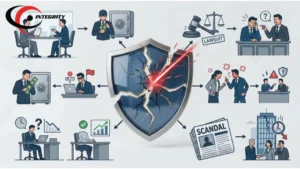
Background checks are more than just a formality. They are a strategic measure to minimize risks that could negatively impact the company. Here are the main reasons HR teams conduct background checks:
- Avoiding poor hiring decisions
Hiring unqualified employees can lead to financial losses and reduced team productivity. It is essential to verify documents such as diplomas, certifications, and employment history. Direct confirmation with former supervisors also helps objectively assess the candidate’s performance and integrity.
-
Ensuring a safe and comfortable work environment
Checking criminal records, digital footprints, and social media activity helps ensure the candidate doesn’t have a history that could jeopardize safety or workplace ethics. This is especially critical for roles with access to sensitive or confidential information.
-
Ensuring regulatory compliance
In certain sectors—such as finance, healthcare, or education—background checks are mandatory to meet compliance and regulatory standards. Without this process, companies risk legal violations and potential penalties.
-
Protecting company reputation
Hiring employees with problematic backgrounds can damage the company’s reputation in the eyes of the public and business partners. Background checks help prevent such risks from the outset.
What Should Job Seekers Know?
For job seekers, understanding the background check process can be an advantage. Here are a few key points to keep in mind:
- Integrity of your CV
Avoid exaggerating your experience, job titles, or educational qualifications. Inaccurate information is easy to detect and may disqualify you. - Mind your digital footprint
Many companies now also check social media profiles of potential employees. Make sure your accounts reflect thoughtful and well-curated content. - Prepare credible references
HR will likely contact former supervisors or colleagues to gain insight into your performance. - Ensure your documents are complete and valid
Your education certificates, employment letters, ID card, and other supporting documents will be verified for authenticity.
Tips for HR teams conducting background checks
For HR teams seeking to make background checks an integral part of recruitment, here are some steps to consider:
1. Obtain a consent letter
Before conducting pre-employment background screening, it is essential to obtain the candidate’s written consent in the form of a consent letter. This consent letter serves as the company’s formal authorization to verify the candidate’s personal information, including educational background, employment history, and other records.
A consent letter also helps support compliance with personal data protection regulations while fostering transparency and trust between the company and prospective employees.
2. Identify the relevant aspects to verify
Not every position requires checks covering all aspects of a candidate’s background. Focus on areas directly relevant to the job. For example, for a finance staff position, important aspects include educational and employment history, criminal records, the validity of identity documents, and references from former supervisors who can assess the candidate’s integrity and attention to detail.
For job seekers, a background check is not something to fear. Instead, it is an opportunity to demonstrate professionalism and integrity. For HR teams, pre-employment background screening is a strategic step toward building a workforce of suitable, trustworthy, and competent individuals.
With a balanced understanding on both sides, recruitment can become more transparent, fair, and efficient, supporting a healthy and sustainable workplace.
Use Professional Employee Background Check Services
Conducting employee background checks internally requires time, resources, and specialized expertise. To ensure candidate verification is objective, accurate, and compliant with regulations, companies can engage professional background check services as part of their recruitment process.
Employment background screening services help HR teams verify prospective employees’ information using legitimate sources and structured screening methods. In addition to improving recruitment efficiency, working with a third-party provider helps companies manage hiring risks and maintain compliance with Indonesia’s Personal Data Protection Law (UU PDP).
One of Indonesia’s leading employee background check service providers is Integrity Indonesia, which has more than 20 years of experience in verification and compliance.
Benefits of using professional pre-employment background screening services
- Objective verification of candidate information. Checks conducted by an independent third party can provide greater objectivity. Verification is carried out using official and legitimate information sources, in accordance with the type of screening and applicable legal requirements.
- Comprehensive background screening. Services cover verification of educational qualifications, employment history, professional references, identity, and other relevant aspects based on the company’s requirements.
- Compliance with personal data protection requirements. Professional service providers help companies carry out screening in accordance with applicable regulations, including Indonesia’s Personal Data Protection Law (UU PDP). Industry standards established by the Professional Background Screening Association (PBSA) also serve as a reference for responsible background screening practices.
- Greater recruitment efficiency. By entrusting candidate verification to professionals, HR teams can focus more on assessing competencies, evaluating candidate suitability, and making hiring decisions.
Integrity Indonesia’s pre-employment background check services include:
- Educational verification: Confirming the authenticity of candidates’ diplomas, degrees, and educational records.
- Employment history verification: Reviewing previous work experience, job titles, and periods of employment.
- Professional reference checks: Confirming information about candidates’ experience and performance through employment references.
- Criminal record checks: Reviewing criminal records in accordance with applicable legal requirements.
- Identity verification: Validating prospective employees’ identities and personal documents.
- Digital footprint checks: Reviewing publicly available information relevant to candidates’ professional reputations.
Through structured background screening, companies can reduce the risk of poor hiring decisions, improve recruitment decision-making, and ensure that candidate information has been verified before employment begins.
Integrity Indonesia provides comprehensive screening reports in a format that HR teams can easily understand, enabling faster and more informed decision-making. The process prioritizes due diligence, confidentiality, and compliance with personal data protection regulations.
Contact Integrity for information about employment background check services tailored to your company’s needs.