Pre-Employment Drug Testing in the Hiring Process
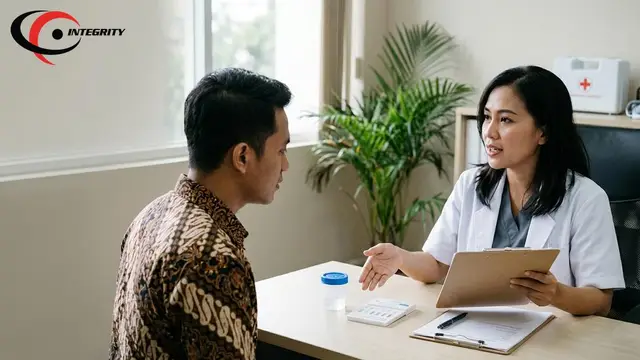
Pre-employment drug testing is a screening step that helps employers assess substance-related risks before a candidate joins the workforce, particularly in safety-sensitive roles. This article explains the benefit of pre employment drug screening, main test types, and how drug screening fits within a broader employment background screening process.
Why Should Companies Conduct Employee Drug Testing?
In general, companies conduct pre-employment drug testing to enhance workplace safety and minimize potential risks. In addition, there are several other important reasons why employers may consider implementing drug testing programs, including the following:
1. Improving workplace safety
Industries such as transportation, construction, manufacturing, and healthcare use drug screening to reduce the risk of accidents involving impaired workers. Employers can strengthen these efforts through clear workplace policies and supervisor training.
2. Reducing absenteeism and productivity loss
Substance use can contribute to absenteeism, lower productivity, and workers’ compensation claims. Employers may include drug testing as part of a broader pre-employment screening strategy to prevent fraud and support workforce reliability. However, test results alone cannot predict a candidate’s future performance or behavior.
3. Protecting company reputation and supporting compliance
Substance-related workplace incidents can damage an organization’s reputation and increase legal risks. In Indonesia, employers should consult qualified legal counsel to understand sector-specific workplace safety obligations and align their screening policies with applicable regulations.
4. Negative impacts of drug abuse in the workplace
Drug abuse affects not only individuals who use drugs but also the broader workplace environment. In general, employee substance use is associated with reduced productivity, workplace injuries, absenteeism, conflicts among colleagues, and increased healthcare costs.
A study titled “A Substance Use Cost Calculator for US Employers With an Emphasis on Prescription Pain Medication Misuse” highlights similar patterns among employers in the United States, although the regulatory and workplace contexts differ from those in Indonesia.
5. Preventing drug abuse in the service and transportation sectors
The risks associated with drug use are particularly serious in safety-sensitive roles, where employees working under the influence of substances may endanger the well-being of others.
In Indonesia, public discussions have linked several transportation accidents, particularly aviation-related incidents, to alleged drug use among personnel.
These concerns highlight why safety-critical industries, including transportation and other service operations, often consider employee drug testing an important preventive measure within their broader workplace safety and risk management strategie
Types of Drug Tests on Employment Screening
Several specimen types are used in pre-employment screening, each with different detection windows, costs and practical considerations. The appropriate method of drug test depends on the role, the substances of concern, and the employer’s policy.
1. Urine drug testing
Urine testing is the most common method for pre-employment screening. In general, it is relatively inexpensive, non-invasive when collected under appropriate procedures, and detects recent use, typically over a period of days. Specimen integrity controls, such as temperature checks and adulteration screening, are important because urine samples can be manipulated.
2. Saliva (oral fluid)
Saliva or oral fluid testing is non-invasive and suited to detecting very recent drug use, generally within roughly the previous one to two days. Its detection window is shorter than urine or hair, so a negative result does not rule out earlier use.
3. Hair follicle
Hair testing can reveal substance use over a longer historical period, commonly up to around 90 days depending on hair length. In general, it is more costly than urine testing and is used where a longer history of use is relevant. Cosmetic treatments and hair length affect how results are interpreted, so results should be reviewed by qualified laboratory staff.
4. Blood and breath alcohol testing
Blood testing is more invasive than other methods and is often used for post-incident or medical evaluation rather than routine pre-employment screening. Breath alcohol testing measures recent alcohol consumption and provides an immediate result, which is why it is common in roles that restrict alcohol. Because these methods are intrusive or context-specific, employers should apply them only where their policy and applicable law justify them.
5. Five-panel and ten-panel drug screens compared
A five-panel screen typically tests for amphetamines, cannabinoids (THC), cocaine metabolite, opiates, and phencyclidine (PCP). A ten-panel screen includes these five substances plus additional classes such as barbiturates, benzodiazepines, methadone, propoxyphene, and oxycodone, depending on the laboratory and the panel the employer selects.
Employers should choose a panel based on their risk assessment and document the substances screened in their written policy, so that all candidates for the same role are tested consistently.
6. Rapid screening versus laboratory confirmation
Rapid screening, usually performed on urine, can return a preliminary negative result within minutes. A preliminary positive or inconclusive result is generally sent for laboratory confirmation and medical review. Laboratory results for negatives can normally be expected within about 24 to 48 hours of collection, while confirmed positives typically take several business days because of additional review. Employers should set these timelines in their policy so candidates understand the process.
Building a Defensible Pre-Employment Drug Testing Process
A defensible drug testing process is documented, consistently applied and legally reviewed. Key elements include a written policy, defined roles and substances, informed consent, controlled specimen handling and qualified result review.
1. Defining scope, positions, and substances
Employers should define which positions are covered, based on job risk, and which substances are screened. Applying testing consistently to all candidates for the same role helps avoid discriminatory outcomes. The policy should also explain what happens after a positive or disputed result.
2. Chain of custody and accredited laboratories
In general, a defensible process documents consent, maintains a chain of custody that tracks each specimen from collection to reporting, and uses accredited laboratories that follow recognised analytical standards. Tamper-evident collection procedures and clear identification of specimens reduce the risk of error or dispute.
3. Medical Review Officer Verification
A Medical Review Officer (MRO) is a qualified physician who reviews laboratory results, considers legitimate medical explanations such as valid prescriptions, and verifies confirmed positives before they are reported. In general, MRO review improves accuracy and fairness, particularly where a candidate disputes a result. Where an MRO is not available in a given jurisdiction, employers should use an equivalent qualified medical review process.
4. Establish a Written Drug Testing Policy
A comprehensive workplace drug testing policy should generally address the following:
- Job positions and applicants subject to drug testing
- Types of substances included in the screening process
- Timing and frequency of drug testing
- Procedures for obtaining consent and communicating test results
- Guidelines for disclosing legitimate prescription medication use
- Consequences of refusing a drug test or receiving a confirmed positive result
Before implementation, companies should ensure that the policy is reviewed by qualified legal counsel to verify compliance with applicable laws and regulations.
5. Handle Test Results Fairly and Confidentially
If an initial drug test produces a positive or inconclusive result, employers should provide candidates with an opportunity to disclose and explain any legitimate medical use of prescribed medications. The results should then undergo confirmatory laboratory testing and an appropriate medical review.
Employers should document each stage of the process, maintain strict confidentiality of test results, and ensure that hiring decisions are not based solely on preliminary findings that have not been scientifically confirmed.
Combining Drug Testing with Employment Background Screening
Drug testing is most useful when it is considered alongside other checks that inform hiring decisions. Employers should coordinate these checks under one documented policy and apply the same consent and data protection standards throughout.
Urine testing is the most common method of drug screening. It is relatively inexpensive, non-invasive when conducted under appropriate procedures, and can detect recent drug use, typically within a few days.
Combining drug testing with comprehensive pre-employment background checks strengthens the recruitment process, enabling employers to make more informed hiring decisions and mitigate potential workplace risks.
Integrity Indonesia provides pre-employment background check services and holds accreditation from the Professional Background Screening Association (PBSA), demonstrating its commitment to quality, compliance, and internationally recognized screening standards.
Furthermore, Integrity is a multinational company with over 20 years of experience in employment background screening. Through its established regional presence and network of local experts, Integrity delivers reliable, comprehensive background screening services that align with international standards.
Today, Integrity supports clients across Asia and Europe through Integrity Asia and Integrity International.
Frequently Asked Questions About Pre-Employment Drug Testing
Is pre-employment drug testing legal in Indonesia?
It depends on the role, the purpose and applicable regulations. Employers should confirm the current legal position with qualified counsel before implementing testing.
Which test is most common?
Urine testing is the most common method because it is relatively inexpensive and widely accepted, although each method has specific advantages and limitations.
Can a positive result come from lawful medication?
Yes, some prescribed medications can produce positive results, which is why medical review by a qualified professional is important.
Does a negative test mean a candidate has never used drugs?
No. A negative result reflects the absence of detectable substances within the method’s detection window only.