Job Background Verification: Purpose, Examples, And Stages

Job background verification or pre-employment background check is an important step in recruitment. No one can deny that the success of a company depends on its employees. Therefore, selecting and recruiting the right people is an important step in hiring.
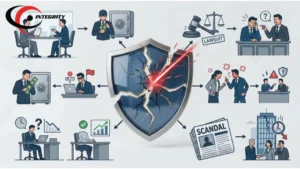
The things stated by candidates in two pages of a CV are not a guarantee for employers to hire the right person. There are many incidents where companies have to face financial losses and damaged reputations due to fraud and misconduct committed by their employees.
Why Job Background Verification
Job background verification is a preventive measure that helps companies reduce hiring risks and secure a reliable workforce. By verifying credentials, educational qualifications, employment history, and other claims made by candidates, HR teams can make informed hiring decisions.
This process not only protects companies from the costly consequences of bad hires but also supports the creation of a safe and productive work environment.
Know Who You’re Hiring
There are 30+ additional types of background checks available. Explore our full range of pre-employment background screening services.
Example Of Employment Background Screening
The types of job background verification or employment background screening vary depending on the company and the role. Identity verification is one of the most common checks employers conduct during recruitment.
This examination includes the verification of the authenticity and validity of identity cards such as KTP, passports, or SIM. In Indonesia, employers verify a candidate’s KTP (national identity card) by comparing its details with records in the Dukcapil (Population and Civil Registration) system.
Next, companies usually verify education and work history by contacting educational institutions and previous employers. Some questions that can be asked in an employment background check for reference verification, among others:
- When did the prospective employee start and stop working?
- What position has the job candidate held?
- The reason the job candidate left their previous job
Types of Pre-Employment Background Checks
The types of pre-employment background checks may vary depending on the company and the position being filled. Here are the most common types of checks employers conduct during the hiring process.
a. Education verification
The gap between labor demand and supply has created fierce competition among candidates. This situation leads to potential fraud, including the forgery of educational certificates. It has become a phenomenon in Indonesia that job candidates falsify educational diplomas to get hired. Once they are employed, it is not surprising if employers are disappointed with their performance, which falls below expectations. Considering the risks, verifying educational certificates becomes an important stage in the recruitment process.
b. Drug testing
Based on a survey conducted by BNN in 2017, the largest proportion of drug abusers in Indonesia are employees. One rotten apple in the basket can make the other apples rot. That old saying is very fitting for drug abusers in a company. The perpetrator becomes a bad influence on all employees and decreases the company’s productivity. Drug testing is an important step to anticipate those unwanted risks.
c. Litigation and criminal examination
It is important for employers to ensure that the candidate is not a criminal or has tendencies towards criminal behavior because good employees are the key to a healthy and conducive work environment. There are times when interviews and a series of pre-employment checks do not reveal the criminal tendencies of the candidates. Litigation and criminal background checks can reveal false information contained in a candidate’s CV or resume and indicate whether the candidates have a tendency to commit crimes.
d. Credit check
Credit checks are another important part of recruitment, especially for certain key positions that have primary access to the company’s assets and finances. By conducting credit checks, companies can regularly evaluate the credit history of their candidates and even their employees, especially in the context of promotion evaluations. Ensuring candidates have a healthy credit record means minimizing the risk of loss.
e. Reference check
In fact, it is very difficult to know what someone’s daily work is like just by relying on information from interviews and CVs. Therefore, recruiters must conduct reference checks. This examination is conducted to obtain an objective evaluation of a candidate’s past performance based on information gathered from key individuals who have known and worked with the candidate.
How Thorough Should a Pre-Employment Background Check Be?
Not every position requires the same level of screening. A risk-based approach helps companies maintain efficiency without compromising hiring quality. The following table provides general guidance that can be adapted to each company’s policies.
| Risk Level | Example Positions | Recommended Checks |
|---|---|---|
| Basic | Administrative staff, entry-level employees | Identity, education, and employment history checks |
| Medium | Sales, customer-facing roles, supervisors | Basic checks plus reference checks, criminal record checks, and digital footprint reviews |
| High | Finance, procurement, IT and data, security, senior management, CEOs | Medium-level checks plus litigation searches, credit checks, drug testing (where relevant), PEP screening, and other relevant checks |
Stages Of How To Conduct A Pre-Employment Background Check
The following are the steps involved in conducting employee background checks.
1. Candidate Disclosure and Consent
Before conducting a background check, employers must inform candidates that the screening is part of the recruitment process and obtain their written consent. This step helps ensure compliance with applicable data protection laws, including Indonesia’s Law No. 27 of 2022 on Personal Data Protection (PDP Law).
Conducting a background check without the required consent may violate applicable legal requirements. The consent form should clearly explain the types of checks involved, their purpose, and how long the candidate’s data will be stored. Make sure the candidate signs the form and receives a copy.
2. Define the Scope of the Background Check
Determine which checks are relevant based on the risk level of the position (see the table above). Screening for information unrelated to the job can increase costs and create unnecessary legal risks.
3. Data Collection
Collect the information and documents needed for the selected background checks. Ensure that the data is relevant to the position and obtained through appropriate, lawful channels.
4. Investigation and Data Verification
Verify the collected information thoroughly. Depending on the position, this may include identity verification, education and employment history checks, criminal record checks, and digital footprint reviews, as discussed in the previous section.
5. Review and Evaluation of Results
Once the investigation is complete, review and evaluate the findings. At this stage, employers assess the results against job-related requirements and determine whether the candidate should proceed to the next stage of recruitment.
Candidate Rights and the Legal Basis for Background Checks in Indonesia
Background checks involve personal data, so companies need to understand the legal limits. The following is a general overview, not legal advice. Consult your company’s legal counsel for guidance on specific cases.
- Personal Data Protection Law (Law No. 27 of 2022). Personal data processing requires a lawful basis, which may include consent where appropriate. Criminal records, health information, and personal financial data are classified as specific personal data and require stronger protection.
- Anti-discrimination rules. Law No. 13 of 2003 on Manpower guarantees equal employment opportunities without discrimination.
Candidates have the following rights during the background check process:
- To be informed about the background check, including its scope and purpose.
- To provide or refuse consent, where consent is the applicable legal basis.
- To be screened only on matters relevant to the job.
- To clarify findings before a final hiring decision is made.
- To have their personal data stored securely and protected against misuse.
Factors that should not be used as the basis for hiring decisions include religion, marital status, political views, ethnicity, and personal preferences unrelated to job qualifications.
Conducting internal background checks requires significant time, effort, and a deep understanding of legal compliance. That’s why using a professional background check service like Integrity Indonesia offers the following advantages:
- Compliance with the latest regulations, including the Personal Data Protection Law (PDP Law).
- Faster and more accurate verification processes, thanks to extensive experience and a broad verification network.
- Objective assessments with minimal internal bias, ensuring more reliable results.
- Time and resource efficiency, allowing your HR team to focus on strategic recruitment efforts.
For businesses that need comprehensive employment screening, Integrity Indonesia provides [employment background check services in Indonesia] to help verify candidate information before hiring.
By verifying the credibility, track record, and qualifications of prospective employees, you can make informed hiring decisions and maintain a healthy, productive work environment. Don’t leave your company exposed to unnecessary risks. Contact Integrity Indonesia to learn more about our professional and regulation-compliant background check services.
FAQ
Is Pre-Employment Background Verification Mandatory for All Companies?
No regulation requires all companies to conduct background checks. However, experts strongly recommend this practice, especially for positions that involve access to sensitive data, company assets, or direct interaction with customers and third parties.
How Long Does a Background Check Take?
The duration depends on the types and number of checks required. Education and employment verification typically take three to seven business days. Working with a professional background screening provider can help make the process faster and more accurate.
Can Background Check Results Affect a Hiring Decision?
Negative background check results do not always lead to rejection. The decision depends on company policies, the nature of the findings, when the incident occurred, and its relevance to the position. Employers should also give candidates an opportunity to clarify any findings before making a final hiring decision.
Does Social Media Screening Violate Privacy?
Reviewing publicly available social media accounts and content is generally possible, provided the screening is relevant to the job and conducted ethically and transparently. Companies should not access private content without authorization.
What Is the Difference Between a Background Check and a Reference Check?
A background check verifies objective information through documents and databases, such as criminal records, education history, and credit information. A reference check, on the other hand, gathers feedback from people who have worked directly with the candidate to understand their work performance, conduct, and professional qualities.